
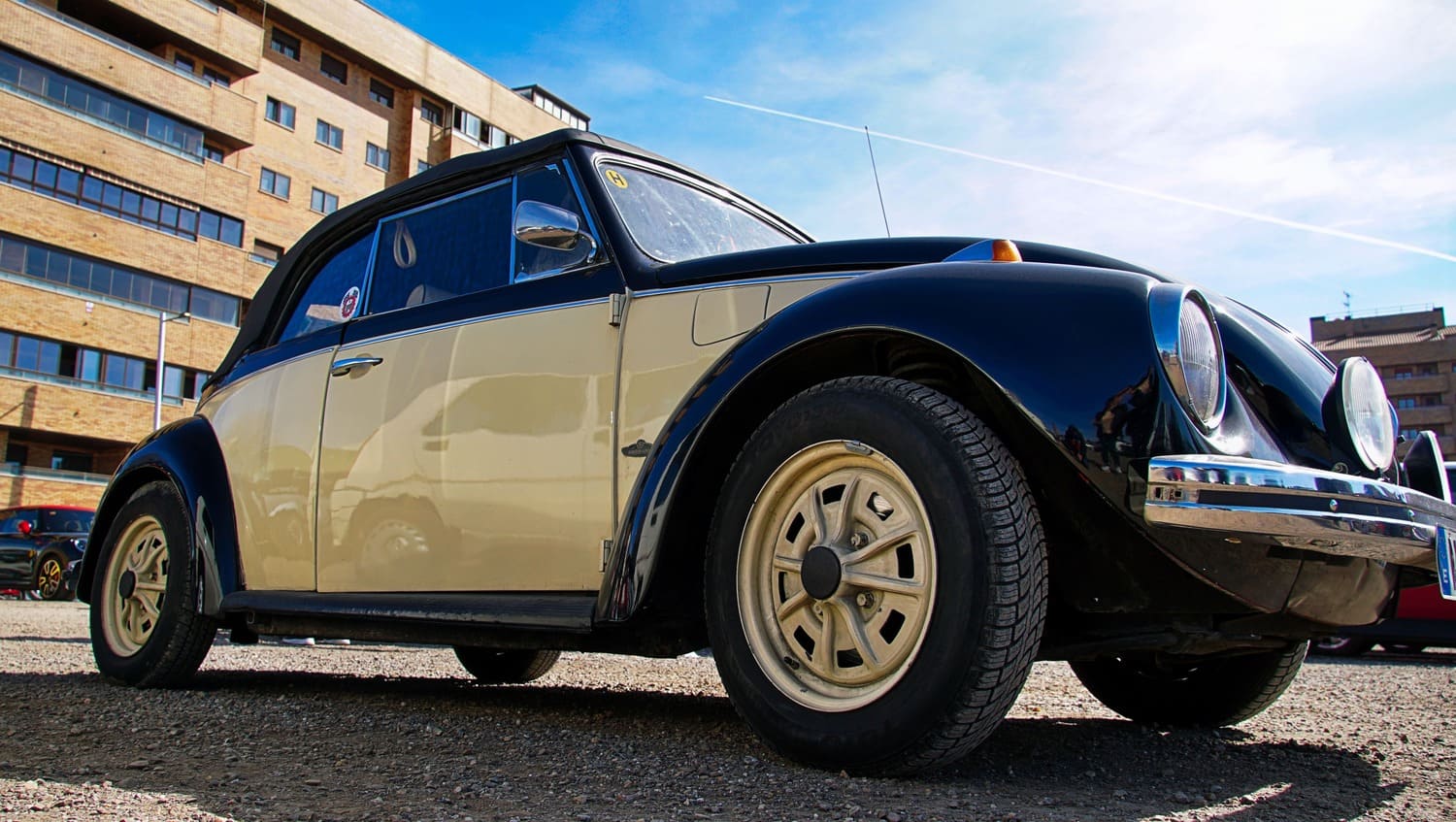

Classic Car Care before winter break is about protecting value, reliability and driving enjoyment when cold, moisture and road salt become real risks. If you prepare the car properly and choose the right storage spot, your classic is far more likely to wake up in spring without unpleasant surprises.
Many owners ask the same three questions every year: why should a classic car rest through winter, how should it be prepared, and where should it be parked? This guide gives you practical answers, highlights the criteria that matter most, and shows the mistakes that often turn a simple winter break into expensive recommissioning.
| Facts & Figures | |
|---|---|
| Ideal storage environment | Dry, indoor, temperature-stable garage preferred |
| Fuel preparation | Full tank recommended before storage |
| Fuel system care | Fuel stabilizer plus short circulation drive |
| Tire pressure rule | Manufacturer-recommended tire pressure |
| Battery strategy | Battery maintainer recommended for long lay-up |
Source: Hagerty – How to: Classic Car Winterization & Storage
Why classic cars often go into winter break
For many owners, a seasonal pause is part of responsible Classic Car Care. Older vehicles often have less corrosion protection than modern cars, replacement parts can be harder to source, and cold, wet roads with salt and grit are exactly the mix you want to avoid. Even if your car runs perfectly, winter adds risks that have little to do with engine strength and a lot to do with preservation.
That is why many classics go into a winter break at all. It is not only about avoiding snow; it is about reducing exposure to moisture, condensation, underbody contamination and long cold starts. A planned lay-up also gives you the chance to handle preventive maintenance before small issues turn into springtime repairs.
How to prepare the car before it goes to sleep
The smartest approach to Classic Car Care before storage is to prepare the car while it is still fully functional. Begin with a careful wash, including the wheel arches and lower body, and only store the vehicle once it is completely dry. Dirt, road film and trapped moisture are enemies of paint, chrome and seals, especially when a car sits for weeks without airflow.
Fuel is another critical point. A full tank leaves less air space for condensation, and a stabilizer helps protect gasoline during a longer standstill. According to AAA’s guidance for idle vehicles, stabilizer should be added before a short drive so the treated fuel circulates through the system; Hagerty’s winter storage guide recommends the same logic for classic cars.
Fluids deserve the same attention. Fresh oil reduces the chance that contaminants remain in the engine during storage, while coolant and brake fluid should be checked before the car is parked for months. If a service interval is already due, winter break is a sensible moment to complete it rather than postponing it until the first sunny weekend of spring.
Battery, tires and the hidden weak points
Battery health is where many spring restarts fail. A classic that starts reluctantly in autumn may be completely flat after a long winter break, so a battery maintainer is usually the safest solution. If you cannot use one, remove the battery only if your car’s setup and storage conditions make that practical and safe.
Tires also need more attention than many owners expect. Cold weather lowers tire pressure, and official NHTSA winter tire guidance notes that pressure should follow the vehicle manufacturer’s recommendation, not the maximum molded into the tire sidewall. That matters for Classic Car Care because underinflated tires sit more heavily, and long standing periods increase the chance of temporary flat spotting.
You should also think about the parts you do not immediately see. Wiper blades should not be left stuck to a damp windshield, the interior should be clean and dry, and food or organic material should never stay in the car because it attracts rodents. Small preventive steps here often save a surprising amount of cosmetic and electrical work later.
How to stay in the driving mood during winter
If winter makes you miss the feeling of a special car, there is a practical alternative to letting your own classic face poor conditions: enjoy a curated performance car experience instead. With DRIVAR, you can drive, rent or experience exciting sports cars in a controlled, transparent setup, without exposing your stored vehicle to salt, cold starts or seasonal wear.
That bridge between preservation and passion is often overlooked. Good Classic Car Care means knowing when not to drive your own car, while still keeping the hobby alive through the right experience. For readers who want that mix of emotion, access and clear booking logic, DRIVAR offers a straightforward way to stay connected to performance driving during the off-season.
Where to park a classic car during winter break
The best parking spot for a classic car in winter is indoors, dry, secure and well ventilated. A garage with stable temperatures is ideal, but even more important than warmth is moisture control. A damp outbuilding or poorly ventilated shelter can be worse than a cooler but dry garage because condensation quietly attacks metal, trim and interior materials.
Flooring matters too. A clean concrete floor is usually better than dirt or gravel, which can release moisture upward into the underbody area. If you do not have ideal indoor storage, focus on creating a dry environment, using a breathable cover rather than wrapping the car in a moisture-trapping layer, and avoiding locations with large temperature swings.
Outdoor storage should be the last option for most classics. If there is no alternative, the cover must breathe, the car must be clean and dry before covering, and you should pay close attention to drainage, leaves and standing water around the parking area. Storing a classic well is not glamorous, but it is far cheaper than correcting rust, mildew or damaged trim in spring.
Common winter storage mistakes to avoid
One common mistake is storing the car dirty because the owner plans a full detail in spring anyway. That sounds harmless, but contaminants sitting on paint, chrome and rubber for months can do real damage. Another mistake is ignoring the owner’s manual and using generic advice where the car actually needs model-specific fluid types, procedures or battery precautions.
A third error is starting the engine occasionally without driving long enough to bring everything fully to temperature. That can leave condensation in the exhaust and other systems instead of helping the car. Finally, many owners focus on the engine and forget the storage room itself, even though poor ventilation, moisture and pests can undo all the preparation work around the vehicle.
A well-stored classic car usually needs less fixing in spring and rewards you with a calmer first drive of the new season.
Conclusion
Good Classic Car Care before winter break is less about dramatic interventions and more about consistent basics. Clean the car thoroughly, stabilize the fuel, check fluids, protect the battery and give the tires and storage space the attention they deserve.
If you do those jobs properly, spring usually begins with less stress, fewer surprises and a better first drive. The real goal of winter storage is simple: preserve the character of your classic without creating avoidable work for the next season.
Frequently asked questions
How do I prepare a classic car for winter storage?
Start with a thorough wash and make sure the car is completely dry before storage. Fill the fuel tank, add a fuel stabilizer, and drive the car briefly so the treated fuel reaches the system. Check oil, coolant and brake fluid, connect a battery maintainer if possible, and set tire pressure to the manufacturer’s recommended level.
Where should I park a classic car during the winter break?
The best place is an indoor, dry and secure garage with stable temperatures and good ventilation. A concrete floor is preferable to dirt or gravel because it keeps moisture away from the underbody. If indoor storage is not available, use a breathable car cover and create a moisture barrier under the car rather than sealing it in plastic.
Should I start my classic car regularly during winter storage?
Not necessarily. Briefly starting the engine without bringing the car fully up to operating temperature can leave moisture in the system and do more harm than good. Either store the car properly for the full break or drive it long enough to warm everything thoroughly if conditions safely allow it.
Do tires and batteries suffer during a winter break?
Yes, both can suffer if the car sits for months without preparation. Tire pressure drops as temperatures fall, and long stationary periods can increase the risk of flat spotting, while an unattended battery can discharge and fail to start the car in spring. That is why tire checks and a battery tender are among the most important parts of classic car care.