Mercedes Freezes Investments in Germany
 By Florentina Blakaj
6 min read
Mercedes has frozen further investments at its German sites and is now examining plant closures more concretely after cost-cutting talks with labor representatives stalled. The move, made public on November 12, 2026, turns a difficult wage dispute into a wider debate about competitiveness, working time and the future of German production.
Behind the headline sits a deeper industrial conflict. Management is pushing for relief on labor costs and more flexibility, while IG Metall is demanding a 5 percent pay increase and defending established standards such as the 35-hour week.
| Facts & Figures | |
|---|---|
| Investment freeze became public | November 12, 2026 |
| Mercedes employees in Germany (Dec. 31, 2025) | 107,889 |
| Typical weekly working time for covered employees | 35 hours |
| IG Metall wage demand | 5% |
| Planned production offensive over the next three years | More than 40 vehicles |
Source: Mercedes-Benz Group Annual Report 2025
Mercedes raises the pressure in cost talks
Mercedes has sharply escalated its dispute over costs in Germany. After talks with the works council and IG Metall failed to produce a breakthrough, the board decided to freeze all further investments at German sites and to examine plant closures more concretely. For a company so deeply rooted in German engineering and manufacturing, that is a highly unusual step.
The timing matters because the move collides with a broader production agenda. On its official production pages, Mercedes-Benz says it is preparing the largest product offensive in its history, with more than 40 vehicles planned across its network over the next three years. That makes the message from Stuttgart even sharper: future model allocation and fresh projects are no longer being treated as automatic for Germany.
Mercedes, wages and the 35-to-40-hour conflict
According to reports, IG Metall is demanding a 5 percent wage increase. However, Mercedes management argues that labour costs in Germany are already too high compared to other countries. In addition, the company reportedly wants to increase the working week from 35 to 40 hours for affected employees. As a result, both sides have different expectations. While the union wants better pay and working conditions, Mercedes is focusing on reducing costs and improving competitiveness.
However, the conflict is about more than just wages. Instead, it also raises important questions about the future of car production in Germany. For example, Mercedes wants its German factories to remain competitive in the global market. At the same time, the company is looking for more flexibility in its production processes. Because of this, future investments could depend on the outcome of the negotiations. Furthermore, the dispute may influence where Mercedes decides to build new vehicles. Therefore, the reported investment freeze is not only a business decision but also a way to increase pressure during the negotiations. Overall, the discussions could play an important role in shaping the future of Mercedes production in Germany.
Why the German footprint matters
The scale of the issue becomes clear when you look at the workforce. In its 2025 Annual Report, Mercedes-Benz reported 107,889 employees in Germany as of December 31, 2025. That figure alone explains why every signal from management is being watched closely by politicians, suppliers and entire regions.
There is also an institutional dimension. The company’s General Works Council represents employees across German plants and divisions, which means any structural decision has broad internal reach. An investment stop is not just about capex lines on a spreadsheet. It affects confidence inside the factories, bargaining power at the table and the outlook for the German footprint as a whole.
From headlines to driving experience
For enthusiasts, Mercedes is still more than a labor dispute or a production map. It is a brand with engineering depth, long Autobahn tradition and a model history that continues to shape the performance car world. If you want to experience that side of the marque firsthand instead of only reading boardroom headlines, a curated driving experience can bring the brand back into focus in the best possible way.
At DRIVAR, the process is straightforward: choose your experience, book a date and enjoy a professionally organized day built around access, clarity and safety. Whether you are looking for a memorable gift or want to get closer to the feel of a premium performance car yourself, the appeal remains the same even when the corporate backdrop gets tougher.
What the investment freeze really signals
What makes this news so striking is the contrast between ambition and caution. On one side, Mercedes is preparing a multi-year product push with more than 40 vehicles in the pipeline. On the other, it is telling its German operations that new investments cannot be taken for granted unless costs become more manageable.
That is why the current message lands so hard. Mercedes is sending an unusually tough signal to its workforce and to the union: without visible cost relief, there is no longer any automatic claim to new projects at German sites. Even if closures remain a last resort, the tone has already shifted from abstract warning to concrete leverage.
Mercedes is sending an unusually hard signal: future projects in Germany are no longer a given without visible cost relief.
Conclusion
Mercedes has chosen a remarkably hard instrument in an already tense negotiation. Freezing investments while openly examining plant closures changes the tone because it links future industrial commitments in Germany directly to cost concessions.
The core message is clear. Without meaningful relief on labor costs and productivity, new projects for German sites are no longer a matter of course. For a company of Mercedes’ industrial weight, that is a warning with consequences far beyond the current bargaining round.
Frequently asked questions
Why did Mercedes stop investments in Germany?
Mercedes has linked the freeze to unresolved talks on cost reductions at its German sites. According to the reports referenced here, management argues that labor costs in Germany are already too high by international standards and would rise further if the current wage demands were accepted. The move is meant to increase pressure in negotiations with the works council and IG Metall.
Is Mercedes really considering plant closures in Germany?
Yes, that option has been publicly raised more clearly than before. Management said closures should be avoided at all costs, but that the company now has to examine the option more concretely because no solution in the talks is in sight. That makes this more than a routine bargaining signal.
How many people does Mercedes employ in Germany?
Mercedes-Benz reported 107,889 employees in Germany as of December 31, 2025. That number comes from the company’s 2025 Annual Report and underlines why the current dispute matters far beyond a single plant. Any investment freeze or restructuring debate has national industrial relevance at that scale.
What is IG Metall asking for in the Mercedes talks?
In the current bargaining round, IG Metall is demanding a 5 percent pay increase. Reports around the negotiations also describe a conflict over working time, with management pushing for a move from the usual 35-hour week for covered employees toward a 40-hour week. That combination goes straight to the core of competitiveness versus income protection.
Sources & further reading
- tagesschau: Mercedes stops investments at German sites
- Mercedes-Benz Group: Production
- Mercedes-Benz Group Annual Report 2025
- Mercedes-Benz Group: General Works Council
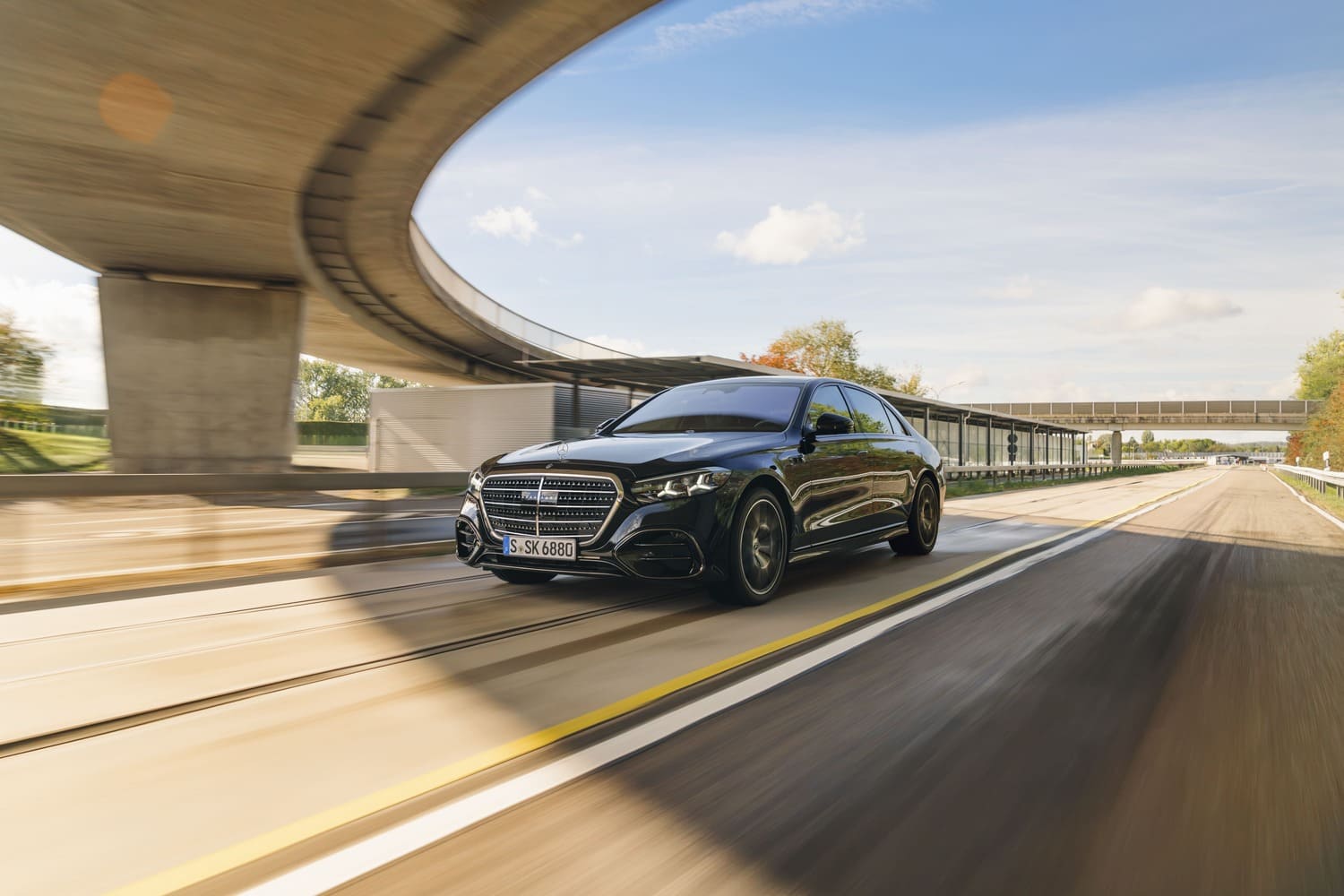
- Title Picture: Mercedes-Benz Group AG, 2026